
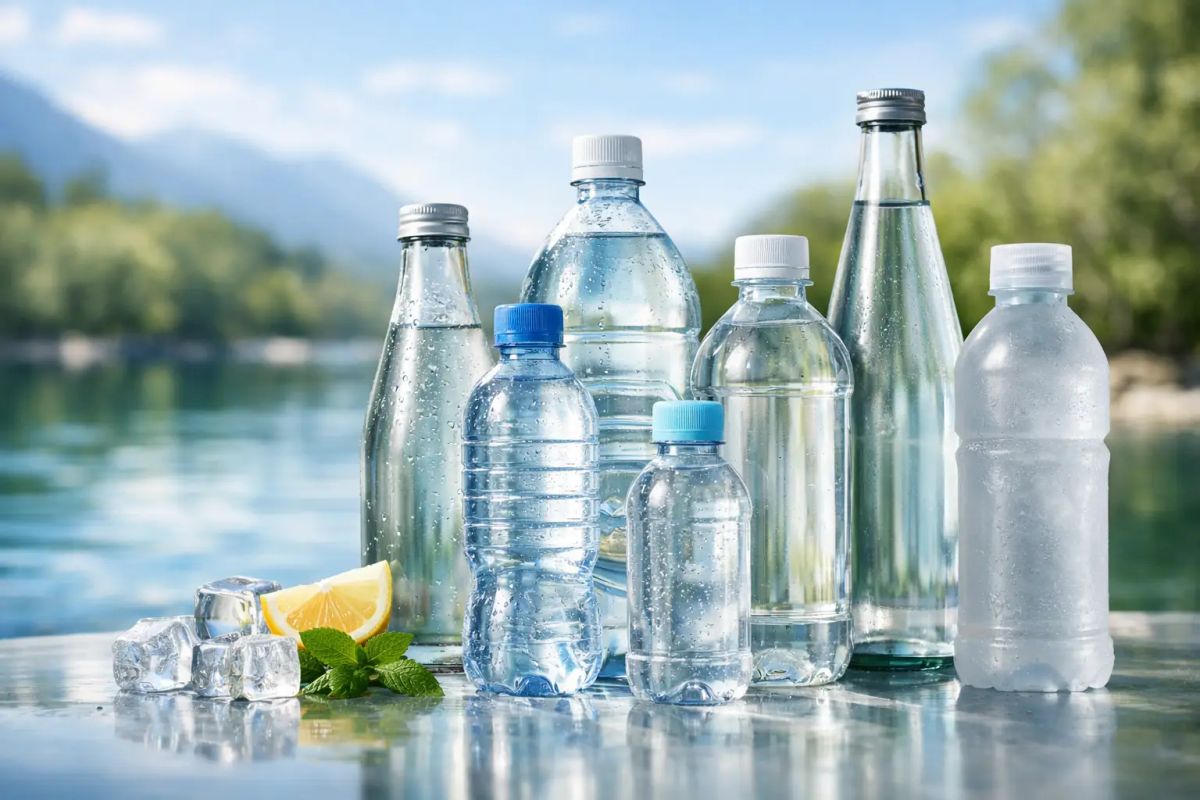
A bottle can look beautifully minimal and still carry a surprisingly distinct mineral profile. For shoppers seeking the best waters for low sodium, the useful question is not simply which label says “pure.” It is how much sodium the water contains, where that number comes from, and what the rest of the composition tells you about the experience in the glass.
Sodium is only one line on a water analysis, but it can shape both selection and taste. Read it alongside calcium, magnesium, bicarbonate, total dissolved solids, and source origin. There is a world inside every bottle. The label is where it begins.
What “low sodium” means on a water bottle
Water labels commonly express sodium in milligrams per liter, written as mg/L. This is the most useful figure when comparing two bottles because it puts them on the same scale, regardless of bottle size.
For a low-sodium-minded selection, many shoppers look for waters with sodium in the single digits or low tens of milligrams per liter. That is a practical comparison point, not a universal definition of quality. A water with 3 mg/L of sodium and a water with 18 mg/L can both be relatively low in sodium, while offering very different mineral character.
Do not confuse sodium with TDS. Total dissolved solids measures the overall concentration of dissolved minerals, not sodium alone. A water can have a substantial TDS reading because it contains calcium, magnesium, and bicarbonate while remaining low in sodium. Conversely, a modest-TDS water can still be more sodium-forward than expected. The sodium figure deserves its own look.
Also watch the serving size. If sodium is shown per serving rather than per liter, use the bottle volume to make a fair comparison. A 500 mL bottle contains half a liter, so its total sodium is roughly half of a stated mg/L value. When brands round numbers or present a partial analysis, the comparison becomes less precise. That is not a reason to dismiss the bottle. It is simply a reason to read with care.
The best waters for low sodium are not all the same
Low sodium does not describe a single style of water. It is one dimension of composition, much like acidity in wine or roast level in coffee. The right choice depends on whether you want a nearly neutral canvas, a mineral presence without much sodium, or a sparkling pour with character.
Low-sodium spring water
A naturally sourced spring water with low sodium can still feel structured and flavorful when calcium and magnesium are present. Calcium may lend a soft, chalky impression. Magnesium can introduce a dry, slightly savory edge. Bicarbonate often contributes roundness and length on the finish.
This is often the most interesting category for people who want low sodium without choosing a water that tastes completely blank. Origin matters here. The mineral profile reflects the geology of the source, and the same sodium number can taste different when paired with a different balance of ions.
Low-mineral purified water
Purified waters frequently sit at the quiet end of the sensory spectrum, particularly when both sodium and overall TDS are low. Their appeal is clarity and restraint. They can be an excellent choice when you want the water to stay in the background at the table.
The trade-off is that very low mineral content may offer less texture and less distinct finish. That is not a flaw. It is a style preference. Think of it as choosing clean white porcelain instead of textured stoneware: both have a place, but they present the meal differently.
Low-sodium sparkling water
Carbonation changes perception. Bubbles sharpen the palate and can make a water feel brighter or more assertive, even when the sodium level is minimal. Do not assume that sparkling water is naturally higher in sodium, or that still water is always lower. Check the analysis of the exact bottle.
For food, low-sodium sparkling water can be a particularly elegant option beside rich or salty dishes because its acidity and effervescence create contrast without adding much mineral salinity of their own. The effect is sensory, not nutritional: freshness, lift, and a clean reset between bites.
Mineral water with a low sodium figure
“Mineral water” does not automatically mean high sodium. This category can include some of the most compelling low-sodium choices, especially where calcium, magnesium, and bicarbonate create complexity. A higher TDS number may look intimidating at first glance, but it can signal mineral depth rather than sodium content.
If you enjoy water as a tasting experience, this is where labels become especially rewarding. Look for the relationship among minerals, not one heroic number. A low-sodium mineral water may show a calm salinity while still delivering body, a faint stone-like quality, or a long, polished finish.
How to compare low-sodium waters at the shelf
Begin with sodium, then move outward. A quick, useful sequence is sodium first, source second, mineral balance third, and TDS fourth. This keeps the search focused while giving the number enough context to mean something.
A low sodium value tells you the water is unlikely to taste overtly saline. The source statement tells you whether its composition is likely shaped by a particular aquifer, spring, or mineral formation, or whether it has been processed for consistency. Calcium, magnesium, and bicarbonate help explain texture and flavor. TDS offers a broad view of how light or mineral-rich the water may feel.
pH is worth treating with restraint. It describes how acidic or alkaline the water is at the time it is measured, but it does not replace a mineral analysis and does not predict every aspect of taste. A bottle with a prominent pH claim may still reveal little about sodium, calcium, or source. For a low-sodium choice, those details matter more.
Be equally careful with sodium bicarbonate. Bicarbonate is a common and often welcome component of mineral water, but the word “sodium” in an ingredient or analysis context should prompt a closer look at the actual sodium mg/L figure. The full composition, rather than a single mineral name, tells the clearer story.
A better way to taste what the label suggests
Taste two low-sodium waters side by side at the same temperature. Use plain glasses, take a small sip, and notice the first impression, mid-palate, and finish. One may seem light, crisp, and quickly disappearing. Another may seem rounder, silkier, or more persistent despite having similarly low sodium.
Then compare the labels after tasting. You may begin to connect a fuller texture with higher calcium or bicarbonate, or a leaner profile with a lower TDS. These are tendencies, not rigid rules. Temperature, carbonation, food, and individual perception all change the experience.
This small ritual turns shopping into discernment. Rather than collecting bottles by aesthetic or price alone, you begin choosing water for its actual composition and the moment it is meant to serve.
Use the data without losing the pleasure
The best low-sodium water is not necessarily the one with the lowest number on the shelf. If two choices both meet your preference for lower sodium, let taste, source, and occasion decide the rest. A still water with a quiet mineral profile may suit a delicate lunch. A more structured low-sodium mineral water may deserve its own glass at dinner. A fine-bubbled sparkling water may bring just the right sense of occasion to an aperitif.
For bottles without a detailed label, Water Sommelier offers a practical starting point. Point your phone camera at a bottle and the app helps identify the product while surfacing available information about mineral composition, pH, TDS, and source origin. Point. Shoot. Know.
The next time you reach for a bottle, pause at the sodium line, then look beyond it. A considered pour is rarely about one number alone. It is about recognizing the particular landscape, mineral balance, and flavor waiting in your glass.
Scan any bottle. Discover its minerals, origin, and character. Get the Water Sommelier app.