
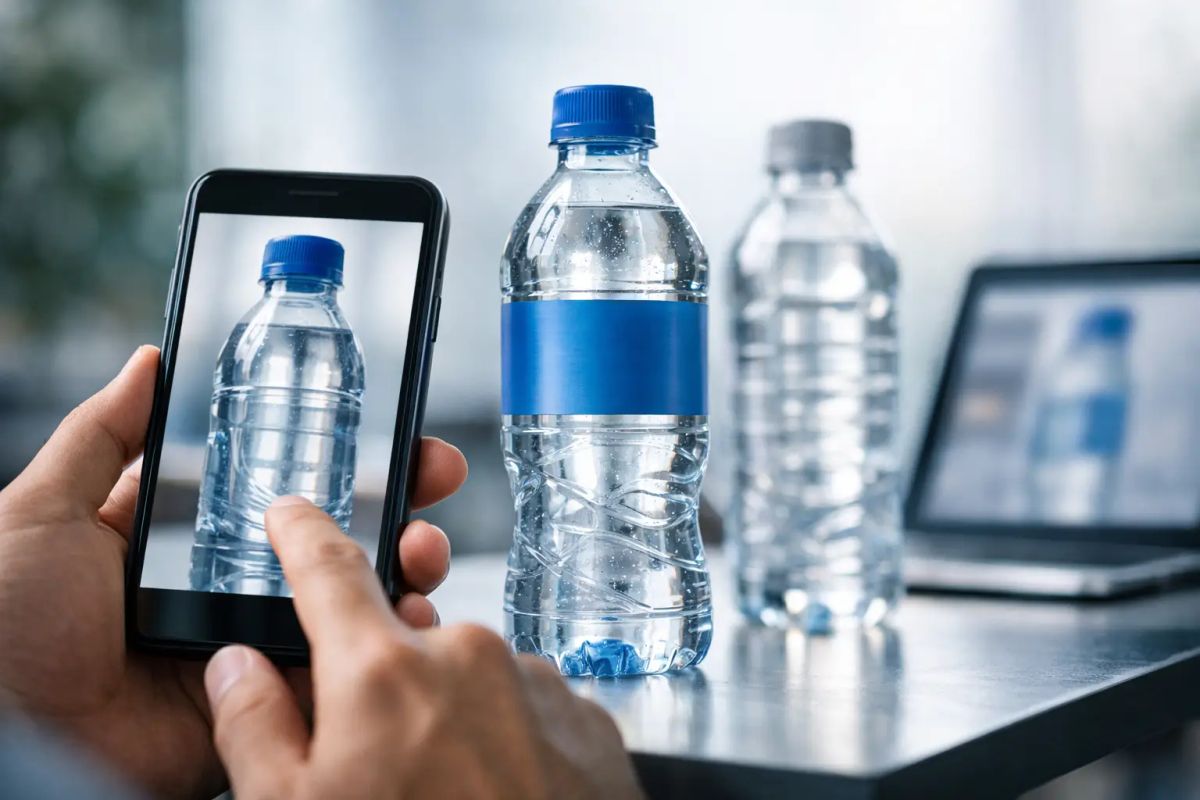
A bottle of water can look almost silent on the shelf: clear glass or plastic, a mountain silhouette, a source name, perhaps a row of tiny numbers. Yet there is a world inside every bottle. Its minerals, origin, and dissolved solids can shape how it feels on the palate and where it belongs at the table.
Water label apps make that world easier to read. Rather than treating bottled water as a generic purchase, they help curious drinkers recognize the details that distinguish a softly mineral spring water from a crisp, structured mineral water. Point. Shoot. Know. The best experience is not about turning a label into a verdict. It is about giving the bottle a context.
Why Water Labels Deserve a Closer Look
Wine drinkers learn grape varieties and regions. Coffee drinkers learn processing methods and roast profiles. Water has its own vocabulary, even if it has long been overlooked.
A label may identify the source and list an analytical composition, often including calcium, magnesium, sodium, bicarbonate, sulfate, chloride, pH, and total dissolved solids, or TDS. These details are not decorative. They offer a useful way to understand the water's character before the cap is opened.
The challenge is that water labels are not designed with a single, universal format. One brand may place a full mineral analysis on the back. Another may list only a source. Values can appear in milligrams per liter, abbreviated as mg/L, and technical terms may be printed in type small enough to discourage any real comparison in a grocery aisle.
That is where an app earns its place. It reduces the friction between curiosity and understanding, helping a shopper or diner move from "What is this?" to a clearer reading of what is in the glass.
What Water Label Apps Can Help You Understand
A useful water label app should do more than recognize packaging. It should translate data into a format that feels clear without oversimplifying it.
Mineral composition
Minerals are among the most revealing entries on a water analysis. Calcium and magnesium are common naturally occurring minerals in many bottled waters. Sodium can vary widely by source and style. Bicarbonate often appears in more mineralized waters and can contribute to an impression of breadth or softness.
No single mineral number makes a water inherently better. The interest lies in balance. A water with a light mineral profile may seem clean and delicate. One with higher mineral content may present more structure, weight, or a lingering finish. Those descriptions remain personal, of course. Temperature, glassware, food, and individual perception all influence the tasting experience.
pH
pH describes how acidic or alkaline a water is on a scale. It is one part of the water's overall profile, not a stand-alone measure of quality or taste. A pH figure can be interesting when comparing bottles, but it becomes more meaningful when considered alongside mineral composition and source.
Water label apps can place pH beside the other facts, so it is not mistaken for the whole story. That perspective matters. Two waters with a similar pH may still taste very different because their mineral balances differ.
TDS
TDS, or total dissolved solids, is a measure of the dissolved mineral material in water. It is generally expressed in mg/L. As a broad guide, lower-TDS waters often present a lighter, more neutral impression, while higher-TDS waters may feel more pronounced and mineral-driven.
Still, TDS is a headline, not a complete tasting note. It tells you how much dissolved material is present, not precisely how those minerals are balanced. A water's calcium, magnesium, sodium, and bicarbonate values provide the finer detail.
Source origin
Origin gives a bottle its sense of place. Water may come from a spring, mineral source, aquifer, or other declared source. The source statement is also a reminder that water is shaped by geology and time. As it moves through rock and earth, it can acquire the mineral profile that later appears on the label.
For people who care about provenance in food and drink, source origin turns water from an anonymous refreshment into a product with a landscape behind it.
How to Use a Water Label App With More Intention
Start with the front and back of the bottle, not just the brand name. The most rewarding comparisons happen when you look at two or three waters side by side and ask practical questions: Where does each come from? Which minerals are listed? How do their TDS figures differ?
Then taste with attention. Pour the water into a clean glass, ideally at a cool rather than ice-cold temperature, so subtle aromas and texture are less muted. Notice the first impression, the mid-palate, and the finish. Does it seem featherlight, chalky, rounded, brisk, saline, or persistent? These are descriptive observations, not universal judgments.
A water label app can give those impressions a framework. If you notice that one bottle feels fuller than another, its mineral profile may offer a possible explanation. If a water seems especially restrained, a lower TDS reading may be part of the picture. The goal is not to force a tasting note from a number. It is to connect the information to your own experience.
For dining professionals, this can also sharpen conversations at the table. Water service becomes more considered when staff can describe a bottle's source and mineral character in plain language, much as they would introduce a wine or coffee. The right choice depends on the dish, the guest, and the setting. A delicate water may suit one moment; a more expressive mineral profile may suit another.
Where Labels and Apps Have Limits
The most credible water label apps respect uncertainty. A label's analytical values are typically a snapshot or representative analysis, and natural-source water can show variation over time. Packaging may change. Some bottles provide more detail than others. An app can organize available information, but it should not pretend every number is fixed forever or that every label tells the entire story.
Recognition also depends on the image. Glare, a folded label, low light, or a bottle that is not yet represented can affect the result. When scanning does not immediately identify a product, the most useful response is simple: try a clearer image, check the label directly, and treat the bottle itself as the primary reference.
It also helps to separate educational product information from personal advice. Mineral data can make bottled water more interesting to compare and taste. It does not replace individualized guidance or make broad promises about what a particular water will do for someone.
Choosing the Right Water Label App
Look for an app that makes the information understandable at a glance while preserving the details for people who want to go further. Clear presentation matters: mineral values should be easy to find, terms should be explained without jargon, and source information should not be buried behind decorative branding.
Camera-based identification is especially useful when you are standing in a market, at a restaurant, or unpacking a bottle you have never seen before. The interaction should feel immediate. Scan the label, identify the product, and see the composition and origin in a format built for comparison.
Water Sommelier is designed around that experience for iPhone and Android. Use your phone camera to identify a bottled water and explore its listed mineral composition, pH, TDS, and source origin as educational context. It approaches water as a premium category with provenance, structure, and sensory character worth noticing.
The best app for you depends on how you plan to use it. A casual shopper may value fast recognition and clear summaries. A food writer or hospitality professional may spend more time with the mineral breakdown and source story. In either case, clarity is the luxury: information presented well enough to turn a routine bottle into a considered choice.
Next time a bottle catches your eye, pause before you twist the cap. Read the source. Look at the mineral line. Taste with a little more attention. A label is not merely packaging - it is an invitation to notice what is already in your glass.
Scan any bottle. Discover its minerals, origin, and character. Get the Water Sommelier app.